AC Installation in Waleska, GA
Twenty-seven free-flow minutes west, off the interstate. Out here the thing that decides whether a system goes in is usually not the mechanical drawing — it is the electrical panel.
The constraint here is the electrical service, not the equipment
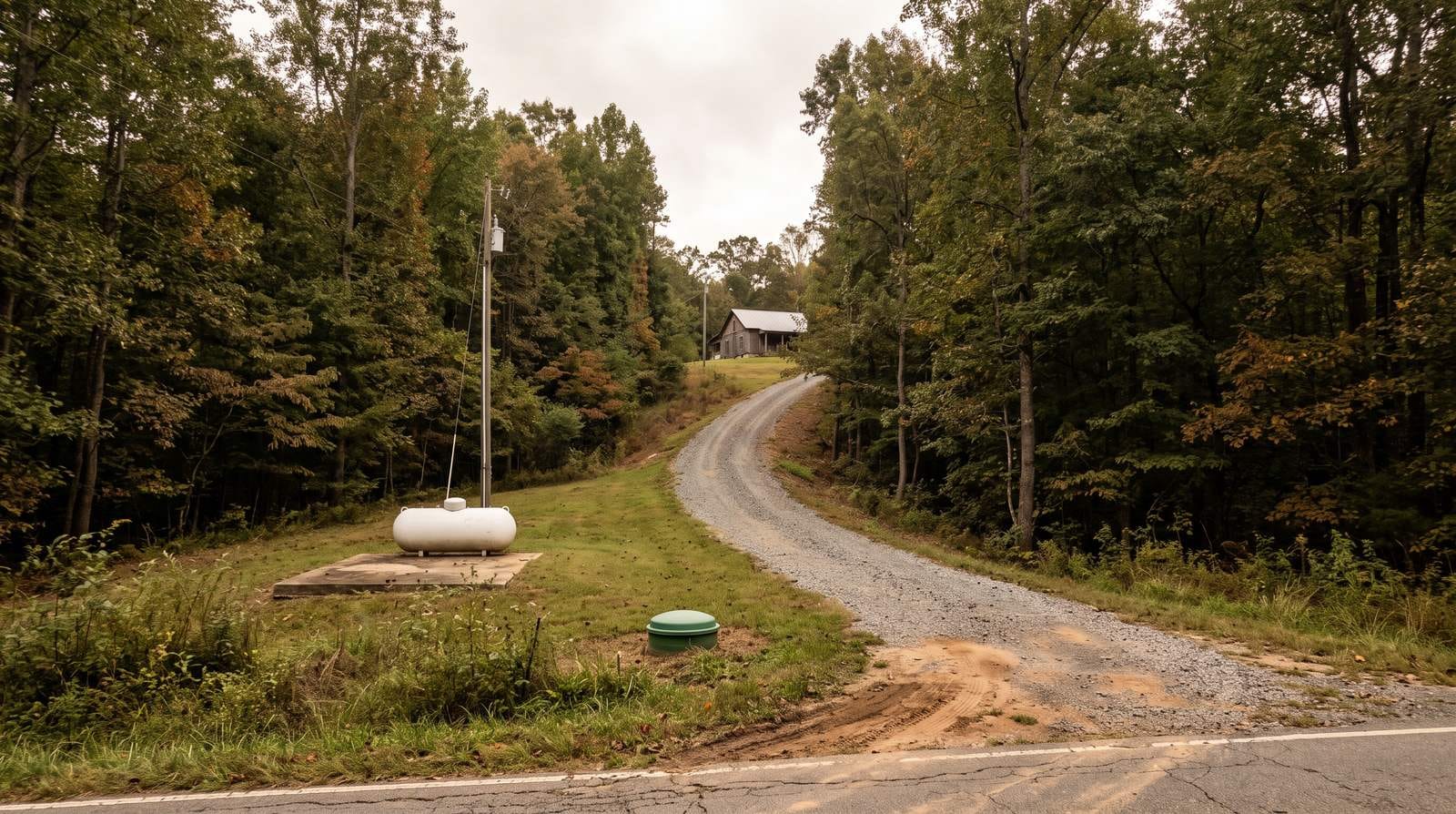
Six households in ten across this ZIP already heat with electricity and another three in ten with bottled gas, so a replacement here very often means adding or enlarging an electric heating load. That is where these jobs actually get difficult. A rural service sized decades ago for a house with a propane furnace, a well pump and a water heater has a very different amount of headroom than a subdivision service down the interstate, and a heat pump with backup strip heat is a substantial addition to it. So the load calculation we do out here is an electrical one as much as a mechanical one: existing service size, calculated load, available breaker spaces, the condition of the panel itself, and the length and gauge of the run to the outdoor unit. Occasionally the honest answer is that a service upgrade has to happen first, and we would rather tell you that in the driveway than discover it on install day with your old system already on the truck.
The same thing is true wherever you are
New equipment on a bad duct system reproduces the complaint you already have at a higher price. Static pressure takes twenty minutes to measure and it decides whether a replacement will actually fix what you called about, so we measure it before we quote equipment rather than after you are unhappy. And one thing we will not do: tell you how many years your new system will last. There is no authoritative published service-life figure for this equipment — none, from anybody — so every number you have been quoted for that was somebody's estimate wearing a lab coat. What we can tell you is what we found, what we measured, and what the manufacturer's terms actually say.
What's covered
Each of these is a service in its own right, offered in Waleska and everywhere else we work.
- Air Conditioning InstallationLoad-calculated replacement of a residential split system, with the scope in writing before a permit is pulled.
- Heat Pump InstallationHeat pumps and dual-fuel systems sized to the local design temperature, with the backup heat set up honestly.
- Ductless Mini-Split InstallationConditioning for the rooms a duct system was never going to reach — bonus rooms, sunrooms, shops, additions.
Questions people ask
How long does a straight changeout take?
One day for a single system with no duct modification, usually eight to ten hours. If the plenum has to be rebuilt, the line set replaced through a finished ceiling, or the electrical service touched, it goes to two days and we tell you that before you sign.
What actually changes the price?
Duct modification, line-set replacement versus flush-and-reuse, electrical upgrades, code corrections the inspector will look for, a second system, and how hard the equipment is to get to. The published range below covers a straight replacement and says what it excludes.
Can you reuse my existing line set?
Sometimes. It depends on the diameter against the new equipment, its condition, and what refrigerant ran through it. A line set that carried a burned-out compressor's acid should not carry a new one. We flush and pressure-test it, or we replace it, and we tell you which before we quote it — not after we open the wall.
Do I need a permit?
Yes. There is no state permit requirement in Georgia — the state deletes the administrative chapter that would create one — but every jurisdiction we work in requires a mechanical permit for equipment replacement, and the permit is in our price. In Cherokee County it is a flat mechanical service permit issued only to state-licensed technicians.
What does the warranty actually cover?
The parts warranty is the manufacturer's, not ours, and its length depends on registration. Read the registration terms below — the number people quote and the number you get are two different things unless somebody files the paperwork.
AC Installation elsewhere: Canton · Holly Springs · East Cobb · Ball Ground · Jasper